The Morning My Dog Forgot Which Side of the Door Opens
How one cellular discovery gave me back the dog I thought I'd already lost.
Reviewed by Dr. Ilaria Bernotti, DVM, Veterinary Research Consultant
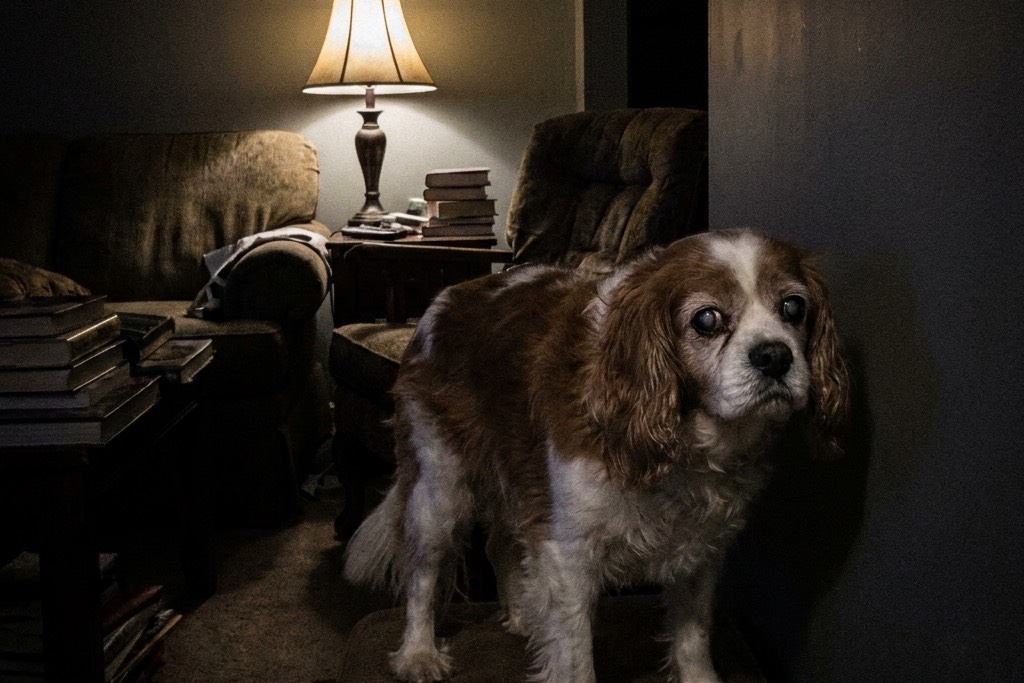
I knew something was wrong before I turned the key.
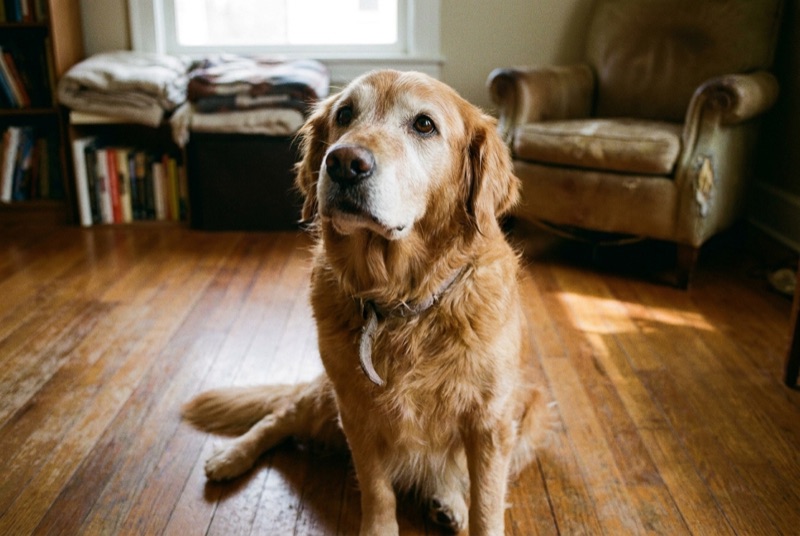
For thirteen years, Rosie beat me to the door.
I'd hear her nails on the tile the second my car pulled into the driveway. She'd be pressed against the gap at the bottom, sniffing, whining, her whole body shaking with joy.
That Tuesday I came home from the grocery store and the house was silent. I opened the door and found Rosie standing two feet away, facing the wall.
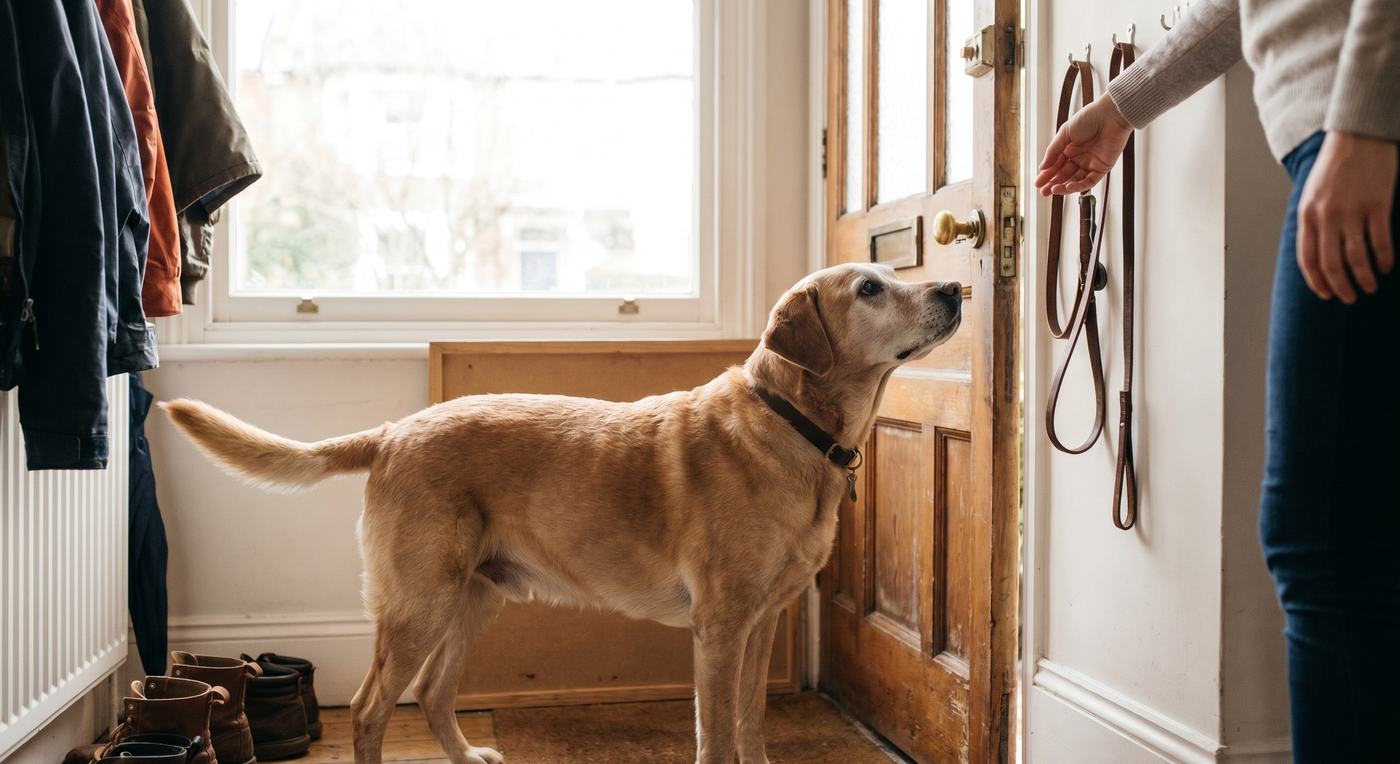
She was on the hinge side of the door. Waiting to be let out through a door that opens the other way.
I called her name.
She turned her head slowly, looked at me, and her tail gave one uncertain wag. Like she recognized my voice but wasn't sure where it came from.
I knelt down and held her face in my hands. Her eyes were glassy. She licked my thumb the way she always does, but the rest of her body stayed frozen.
I didn't know yet that her brain cells were running out of fuel.
The signs had been building for months and I kept explaining them away.
Rosie barking at the living room wall at 2 a.m.
Walking in slow circles around the kitchen island.
Forgetting "sit," a command she'd known since she was twelve weeks old.
The worst nights were the ones where she woke up growling. Low and guttural, her lip pulled back, staring at me from across the bedroom like I was a stranger in her house.
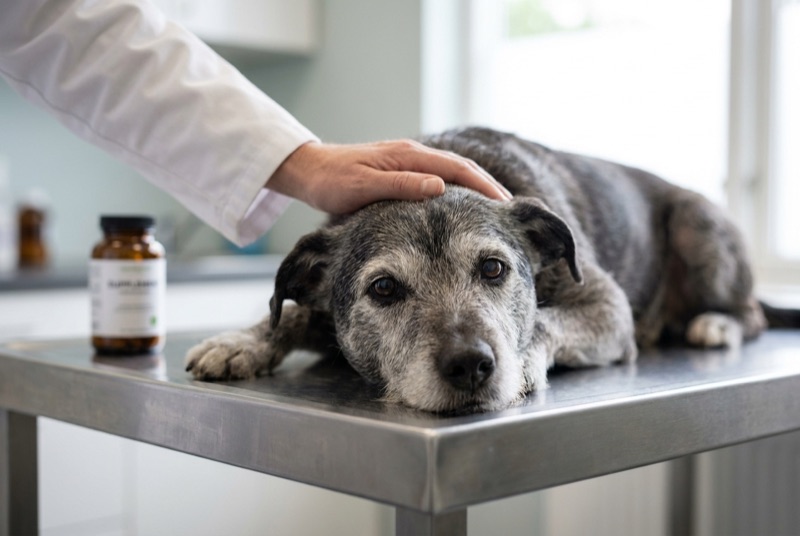
Sundowning, the vet called it. The canine version of dementia confusion that gets worse after dark.
My 14-year-old Cavalier didn't know who I was.
Six Things I Tried Before I Found the Answer
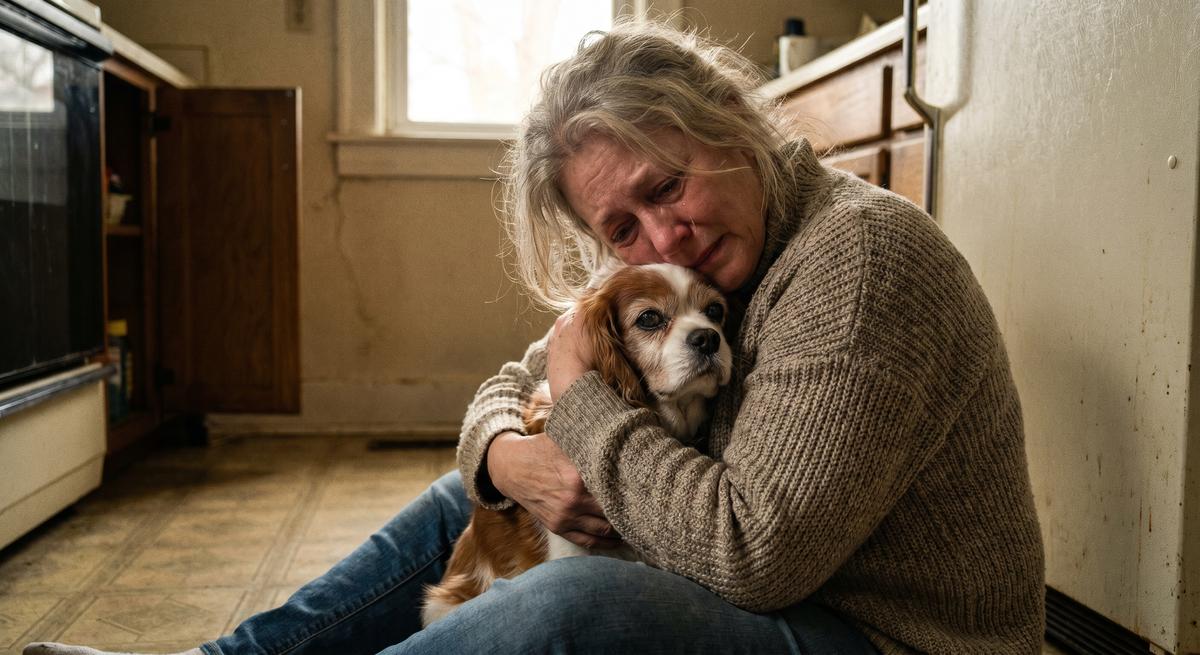
I am not the kind of person who gives up.
Rosie is the only family I have in this house since my kids left for college. I spent fourteen months and over $900 trying to fix what was happening to her brain.
None of it worked.
Total spent: $913. Total improvement: zero.
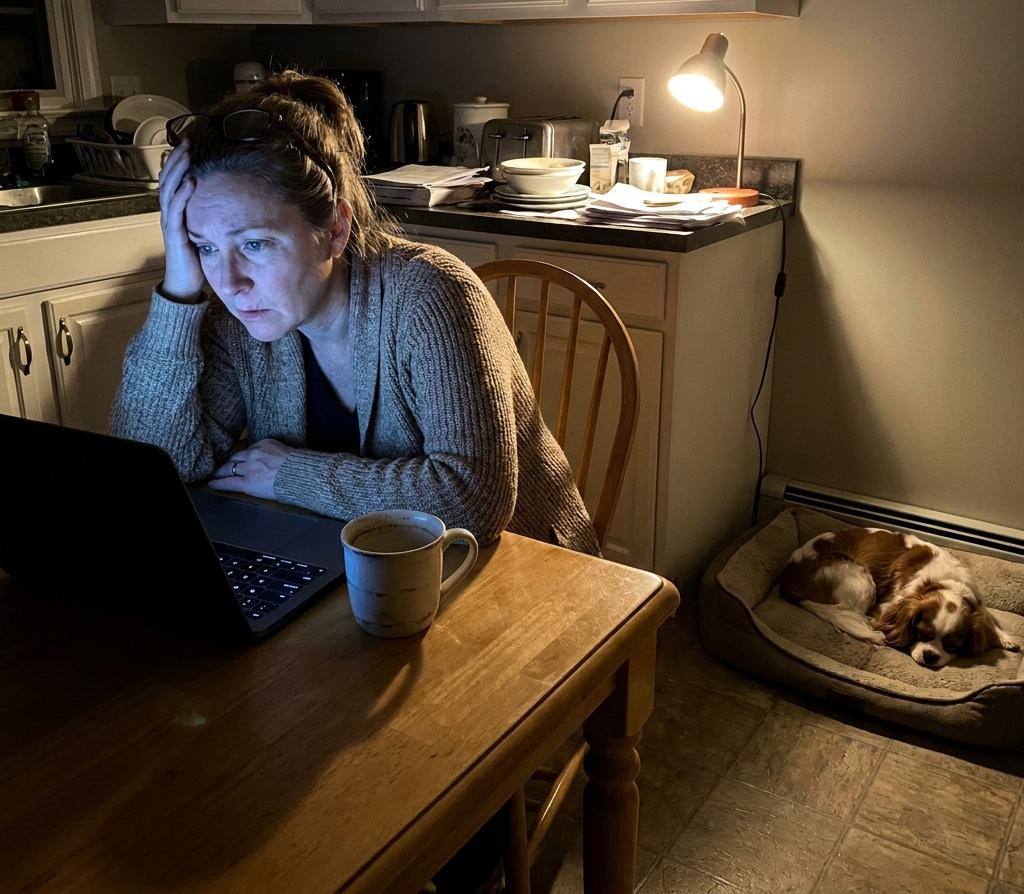
I started reading forums at midnight, looking for anything I hadn't tried. That's when I found a thread from another Cavalier owner whose dog had the same symptoms. "Get stuck in a corner, wander aimlessly, walk towards a door and wait to be let out on the hinge side rather than the side that opens."
Word for word, that was Rosie. And this woman said her dog hadn't just managed the decline. She'd actually reversed it.
What I Found at 1 a.m. That Changed Everything
I followed the trail from that forum post to a Cornell University study. The number hit me hard: 68% of dogs between 15 and 16 show signs of cognitive dysfunction. For dogs Rosie's age, the rate is still above 40%.
This is a diagnosable condition that strikes the majority of senior dogs, and most vets still wave it off as normal aging.
The Cornell researchers pointed to a molecule I had never heard of: NAD+. It stands for nicotinamide adenine dinucleotide. Every cell in a dog's body needs it to produce energy.
Brain cells need more of it than almost any other cell type. The brain burns 20% of the body's total energy despite being a fraction of its weight. When NAD+ drops, brain cells are the first to starve.
Rosie's brain wasn't failing. The fuel was running out.
The Cellular Engine Behind Canine Cognitive Decline
Every brain cell runs on a tiny engine called a mitochondrion. Mitochondria are generators inside each cell.
The fuel those generators burn is NAD+.
When NAD+ is full, brain cells fire signals on time. The dog hears your keys and connects that sound to "my person is home" in a fraction of a second.
When NAD+ drops, those generators slow down. The dog hears the keys but can't connect the sound to the meaning. She walks to the door but stands on the wrong side. She looks at your face but the recognition takes seconds instead of milliseconds.
By age 8, most dogs have lost more than 50% of their cellular NAD+. By age 11, the decline accelerates. By 14, the brain is running on fumes.
A 2024 study published in Scientific Reports tested an NAD+ precursor in 70 senior dogs over 90 days. The dogs showed measurable improvements in cognitive responsiveness, alertness, and recognition behaviors. No medication side effects reported.
The conclusion is straightforward. Senior dog cognitive decline is not permanent. The cellular machinery is still intact. Nothing is fueling it.
Why I Almost Didn't Try It
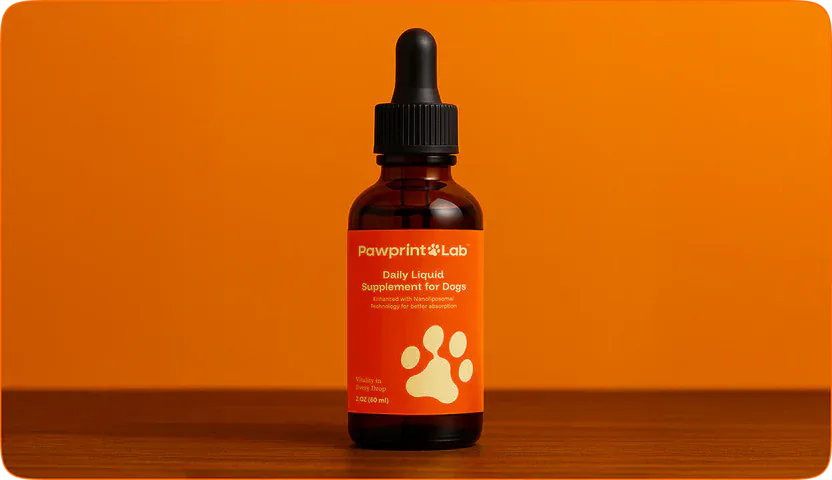
The forum post led me to something called Pawprint Protocol.
My first reaction was skepticism. I had already burned through $913 on supplements and vet visits that did nothing. The last thing I wanted was another bottle collecting dust on my counter.
But three things stopped me from clicking away.
First: it was liquid drops, not capsules or chews. After four months of fighting Rosie over fish oil pills, that mattered. I'd mix it into her food and she'd never notice.
Second: the formula uses something called nanoliposomal encapsulation. Each molecule is wrapped in a microscopic shell that survives stomach acid.
Lab-tested absorption: 98%. Standard capsules absorb less than 30%.
That explained why the Senilife had faded after two weeks. The compound never reached Rosie's brain cells in a meaningful dose.
Third: a 90-day money-back guarantee. Use the full bottle. If Rosie isn't better, send it back and get a full refund.
After spending $913 with nothing to show for it, a company willing to eat the cost if it didn't work felt different.
I told myself: if this doesn't work, I'm done. I'll accept that Rosie is slipping away and I'll make her comfortable for whatever time she has left.
I ordered one bottle that night. I didn't tell anyone because I was embarrassed to still be hoping.
What Happened Over the Next 90 Days
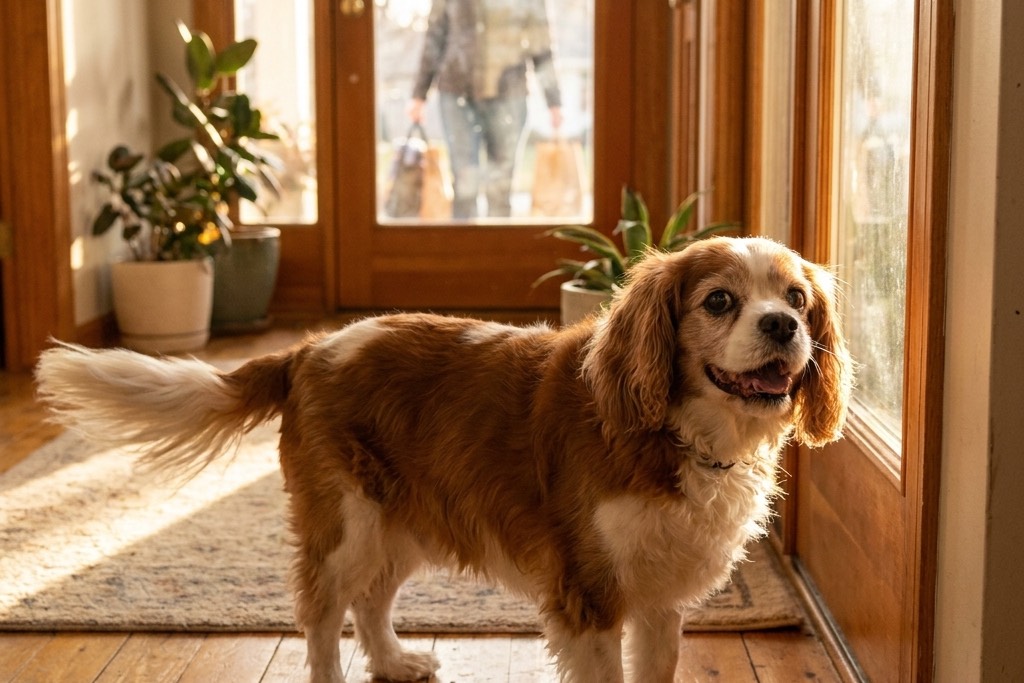
I mixed the first dropper into Rosie's wet food on a Monday morning. She licked the bowl clean. Didn't notice a thing.
I marked Day 1 on my kitchen calendar with a red Sharpie.
Cellular repair takes time. The research and real-world results show consistent change across the full 90-day window. If you don't see meaningful improvement by day 90, they refund every penny.
Three Owners Who Got Their Dogs Back
"My 17 1/2 year old terrier has been on this for several weeks. He's much more alert, sundowning has stopped, far less wobbly in his hind legs, going up and down stairs with relative ease."
"Our girl was wandering and getting stuck behind doors at night. We started the drops and within three weeks she stopped pacing. She sleeps through the night now. It's like someone turned the lights back on."
"Max forgot how to use the dog door he's walked through for 11 years. Six weeks on the drops, he pushes through it on his own again. He also stopped pacing at night. My husband said it's like someone rebooted his brain."
Why the Other Supplements Failed Rosie
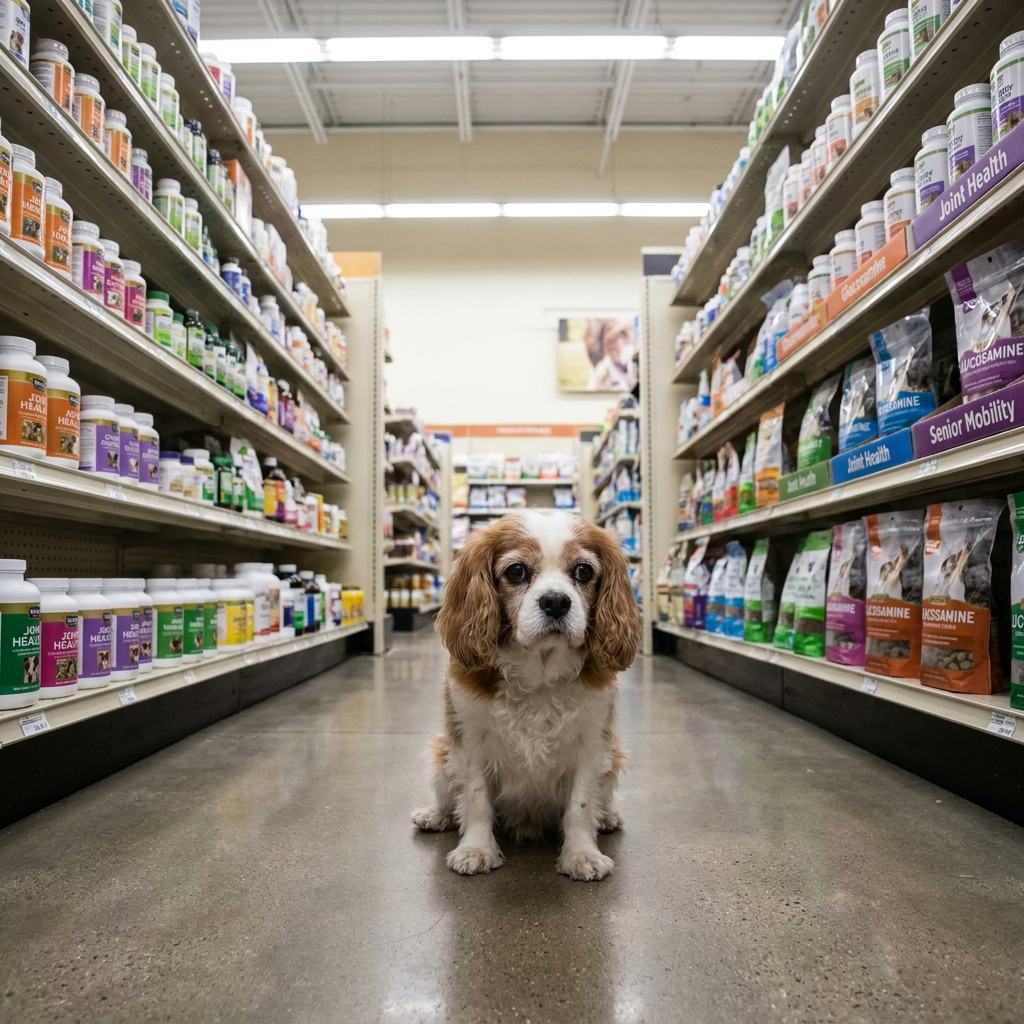
After Pawprint Protocol worked, I wanted to understand why everything else failed. The answer came down to what's inside the formula and how it gets there.
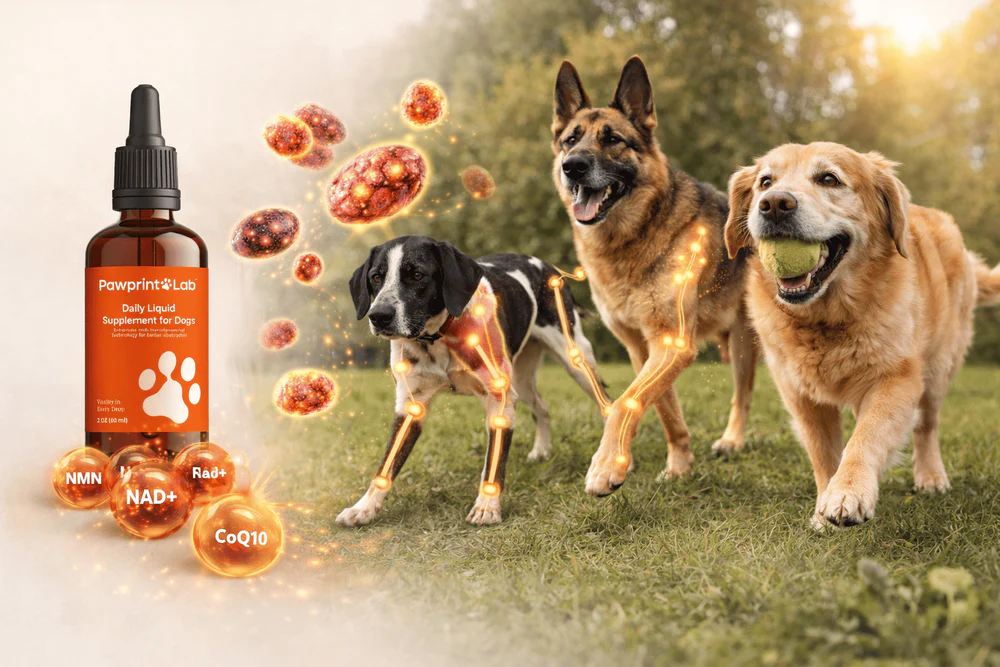
Four compounds target cellular energy failure at the source. Each one does something different:
Nanoliposomal liquid costs 4x more to manufacture than a standard chew. They chose the version that reaches the cells instead of the version with better margins.
After fourteen months of wasted money, that decision is the reason Rosie came back.
What One Dropper a Day Costs
One dropper mixed into food each morning. Rosie has never noticed it's there.
That single dropper delivers NMN, NAD+, Resveratrol, and CoQ10, wrapped in the nanoliposomal shell that bypasses stomach acid.
That works out to as little as $1.33 a day on the 6-bottle bundle.
A veterinary cognitive workup runs $800 to $2,000. Anipryl prescriptions cost $60 to $120 per month with no guarantee.
I spent $913 in fourteen months and got nothing.
$1.33 a day gave me back Rosie.
And if it doesn't work, you pay nothing.
Pawprint Protocol is backed by a 90-Day Healthy Years Guarantee. Use the full 90 days.
If your dog isn't sharper, calmer, or more present at the end of that window, send the bottles back. Full or empty. Full refund.
Less than 1% of customers ever do.
The Signs That Cellular Fuel Is Running Low
If you've seen any of these in your senior dog, brain-cell energy failure has already started. Two or more means it's accelerating:
The earlier you address the energy failure, the more cognitive function your dog can rebuild. Every week unchecked means neural damage that doesn't come back.
Last Tuesday
I came home from the grocery store. Same store, same Tuesday routine.
I reached for my keys and heard it before I touched the lock.
Rosie's nails on the tile. Fast and clicking, the way they sounded when she was five and every homecoming was the best moment of her day.
I opened the door and she was standing right there. The correct side. Her tail going so hard her whole back end swayed with it.
She pushed her head into my hand and made that little groaning sound she makes when she's overwhelmed with happiness.
I sat down on the kitchen floor with the grocery bags still in my arms. Rosie climbed into my lap, all twenty pounds of her, and pressed her face into my neck.
I held her for twenty minutes. I didn't move. I just held her and cried because she knew me again.
Every week without cellular fuel is another week of neural decline your dog cannot get back.
Pawprint Protocol restores the NAD+ your senior dog's brain is starving for. One dropper a day. $1.33. Backed by the 90-Day Healthy Years Guarantee: full refund if you don't see the difference.
15,000+ Senior Dogs Reactivated
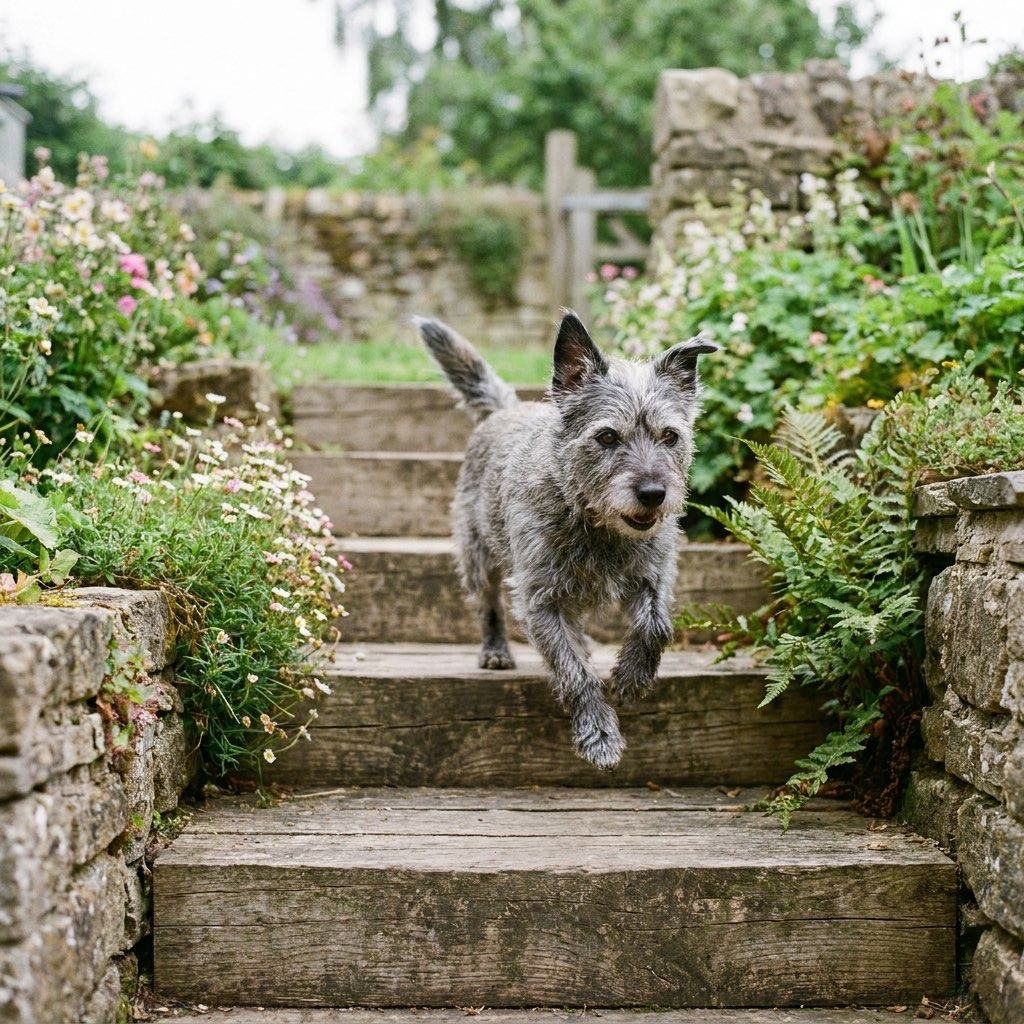
90-Day Healthy Years Guarantee
Use Pawprint Protocol for 90 days. If your dog doesn't show visible improvement in mobility, energy, or alertness, send it back for a full refund.
You risk nothing. We risk everything.
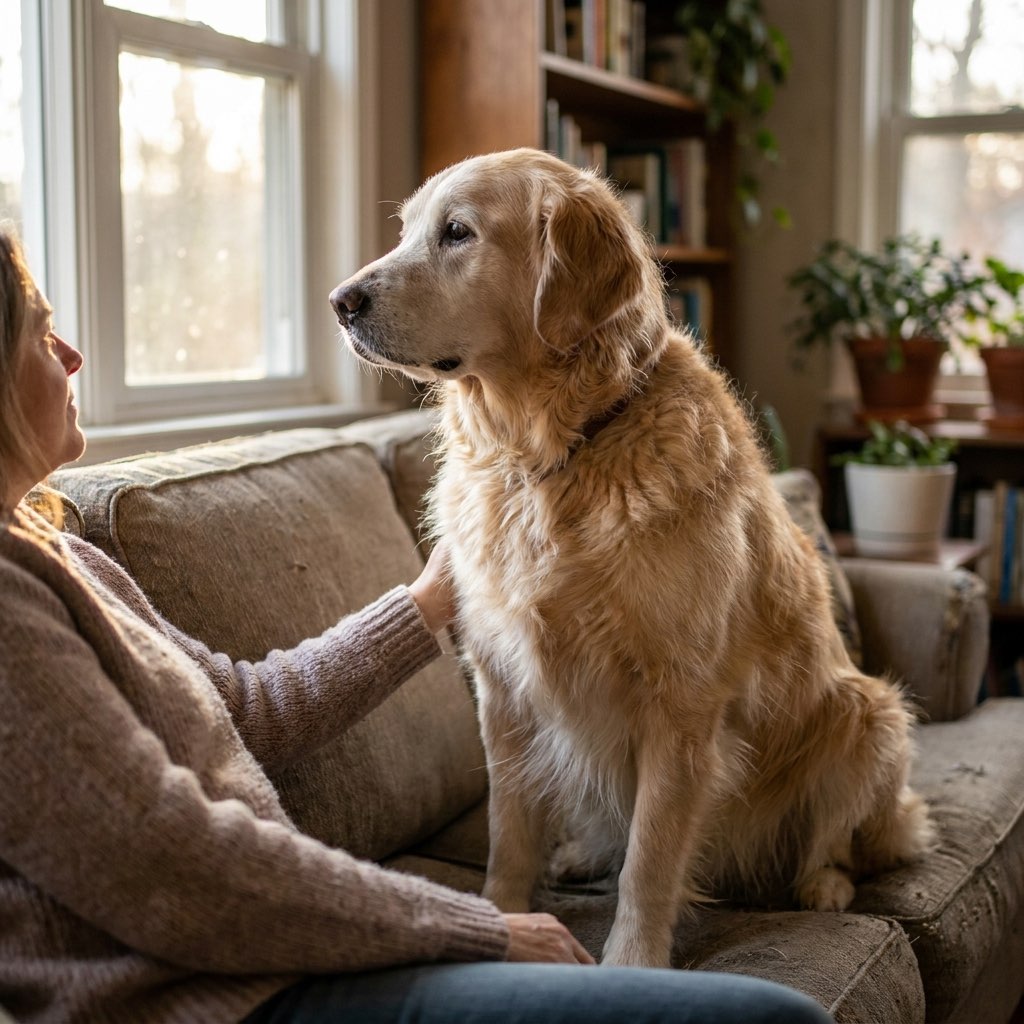
Answers to Your Questions
Independent peer-reviewed research supporting the active ingredients and delivery technology used in Pawprint Protocol.
This page contains editorial content and paid promotion for Pawprint Protocol by Pawprint Lab. Individual results may vary. These statements have not been evaluated by the FDA. This product is not intended to diagnose, treat, cure, or prevent any disease. Consult your veterinarian if your dog is on prescription medication. Some testimonials may be compensated.